
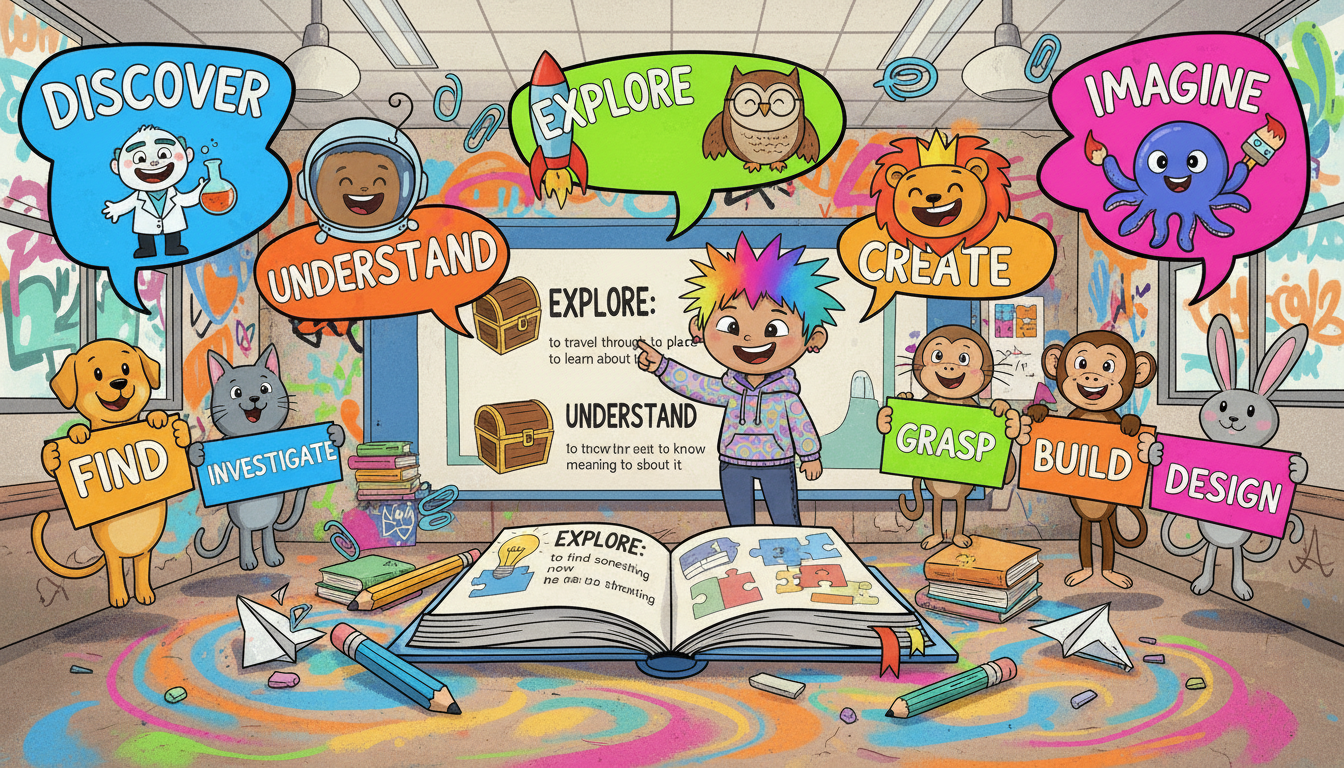
Understanding Vocabulary: Definitions and Synonyms for Students
Quick Answer
To strengthen your vocabulary, clearly define words and find appropriate synonyms. Adding examples in sentences can enhance your understanding and retention of these terms.
When it comes to mastering vocabulary, understanding definitions and synonyms plays a crucial role in language arts. Definitions provide the meaning of words, while synonyms offer alternatives that can enrich your language skills. Here’s a breakdown of how to effectively define and find synonyms for vocabulary words, along with examples to illustrate their use in context.
1. **Understanding Definitions**: A solid definition captures the essence of a word. For instance, the word 'impertinent' can be defined as 'not being proper or respectful.' This definition is clear and straightforward, making it easy to grasp its meaning.
2. **Finding Synonyms**: Synonyms are words that have similar meanings and can be used interchangeably in many contexts. For the word 'impertinent,' synonyms include 'rude, unmannerly, and impolite.' Using synonyms helps diversify your vocabulary and can make your writing and speaking more engaging.
3. **Using Context Clues**: Context clues are hints found within a sentence or paragraph that can help you understand the meaning of unfamiliar words. For example, in the phrase 'His impertinent comments shocked everyone,' the word 'impertinent' can be inferred as something negative based on the reaction of others.
4. **Examples in Sentences**: Providing examples can greatly enhance your understanding of vocabulary words. Take the word 'inevitable,' which is defined as 'absolutely sure to happen.' An example sentence could be, 'With the dark clouds gathering, rain seemed inevitable.' This not only reinforces the definition but also shows how it can be applied in a real-world context.
5. **Practice with More Words**: Let’s take another word: 'detest,' which means 'incredibly dislike.' Synonyms include 'hate, despise, and loathe.' You might use it in a sentence like, 'I detest waking up early on weekends.' By practicing this way with various words, you can improve both your vocabulary and comprehension skills.
To sum up, clearly defining vocabulary words, finding appropriate synonyms, and using them in sentences are effective strategies for mastering language arts. As you practice, try to incorporate new vocabulary into your everyday conversations and writing. This not only reinforces your learning but also builds confidence in your language skills. Remember, the more you engage with these words, the more comfortable you will become in using them! Keep up the great work, and continue to explore the richness of language with enthusiasm!
Was this answer helpful?