
How Do Tone and Word Choice Affect Emotion in Literature?
Quick Answer
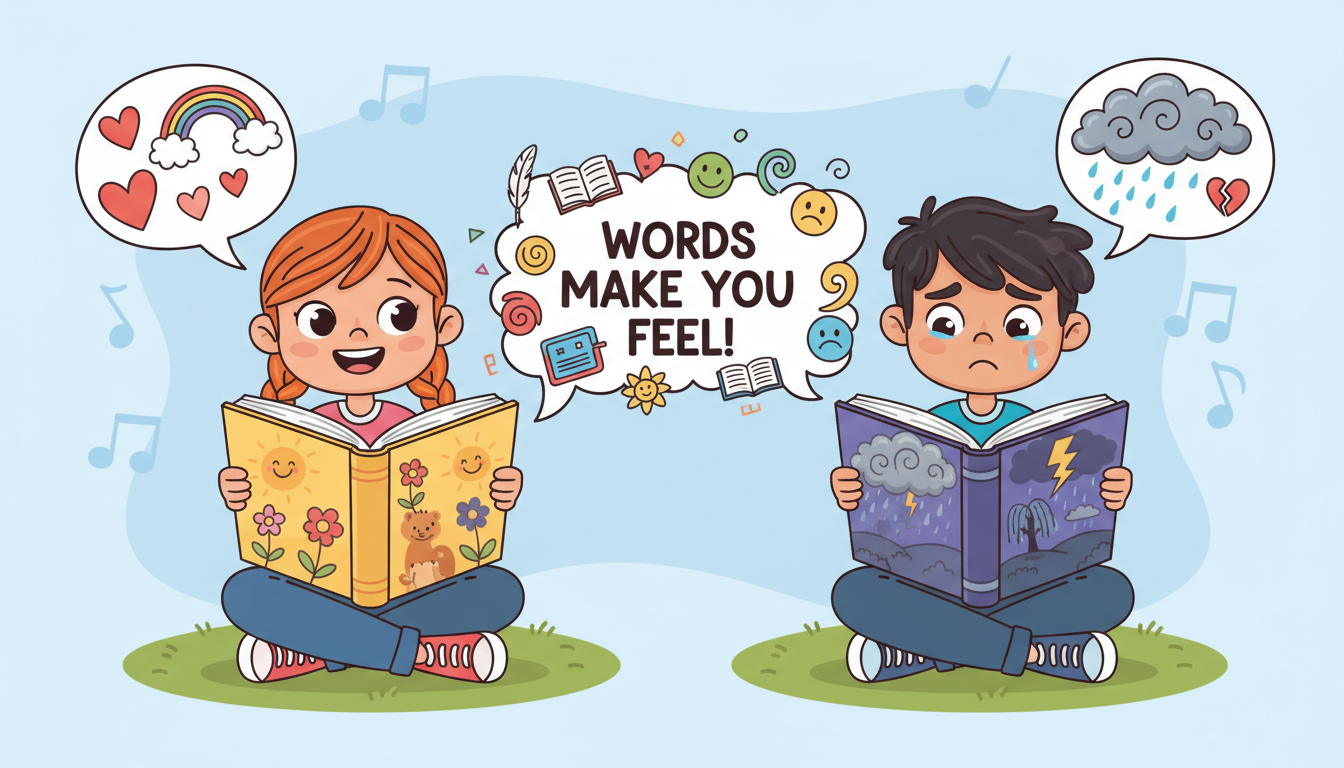
The tone of a literary work greatly influences the reader's emotions. For example, dark and horrifying tones evoke fear, while hopeful tones inspire. Analyzing specific word choices can deepen your understanding of a text's emotional impact.
Understanding tone and word choice is essential in analyzing literature. Tone refers to the author's attitude toward the subject, which can significantly affect how readers feel about the story. For instance, a dark and horrifying tone might make readers feel fear or sadness, while a hopeful tone can inspire feelings of optimism and strength.
In Chapter 1 of a given text, the tone is established through vivid and unsettling imagery, such as 'blood-stained gate' and 'hell of slavery.' These phrases create a sense of horror and suffering, immersing readers in the painful realities faced by characters. This type of tone can evoke strong emotional responses, making readers acutely aware of the brutal conditions depicted.
Conversely, in Chapter 7, the tone shifts toward hope. The focus is on the transformative power of knowledge, suggesting that education can lead to a brighter future, even amidst challenges. The word choices here, such as 'knowledge' and 'strength,' convey a sense of possibility and empowerment, encouraging readers to feel inspired by the characters' journeys.
To strengthen your analysis, consider how specific words impact emotional engagement. For example, comparing 'blood-stained' from Chapter 1 with 'knowledge' from Chapter 7 highlights the contrasting emotional landscapes of the two sections. This distinction can be further illustrated by discussing how violent imagery creates a mood of suffering, while positive language about education fosters a hopeful outlook.
In real-world applications, understanding tone and word choice can enhance your reading comprehension and critical thinking skills. Whether reading a novel, a poem, or even a speech, recognizing how authors use language to influence emotions will deepen your appreciation for literature. This awareness can also assist you in your writing, as you can craft your own tone and select words that evoke specific feelings in your audience.
In conclusion, the interplay of tone and word choice is a powerful tool in literature that shapes readers' emotional experiences. By analyzing these elements, you can gain deeper insights into the themes and messages conveyed by the author, enriching your literary journey.
Was this answer helpful?