
Walk Upstream and You Will Find It

読む前に
読む前に
The blue pebble did not come from the sea, although for a long time people here believed that it did.

Rivers carry stones. A pebble that turns up at a river mouth has been rolled down from somewhere higher, and if you want to know where, you walk upstream. That is exactly what two men did in nineteen seventy four. One was a Dominican named Miguel Méndez and the other was an American volunteer named Norman Rilling, and together they followed the blue stones up the Bahoruco River, out of the heat and into the mountains, until the loose pebbles stopped and the rock they had come out of began. It was a seam of dark old volcanic stone, and set into it, filling pockets and cracks, was the blue.

Méndez gave it a name. His daughter was called Larissa, and the Spanish word for sea is mar, so he put the two together and made larimar. The name stuck, which is unusual for a stone, and so did the idea behind it, because the colour really does look like water.
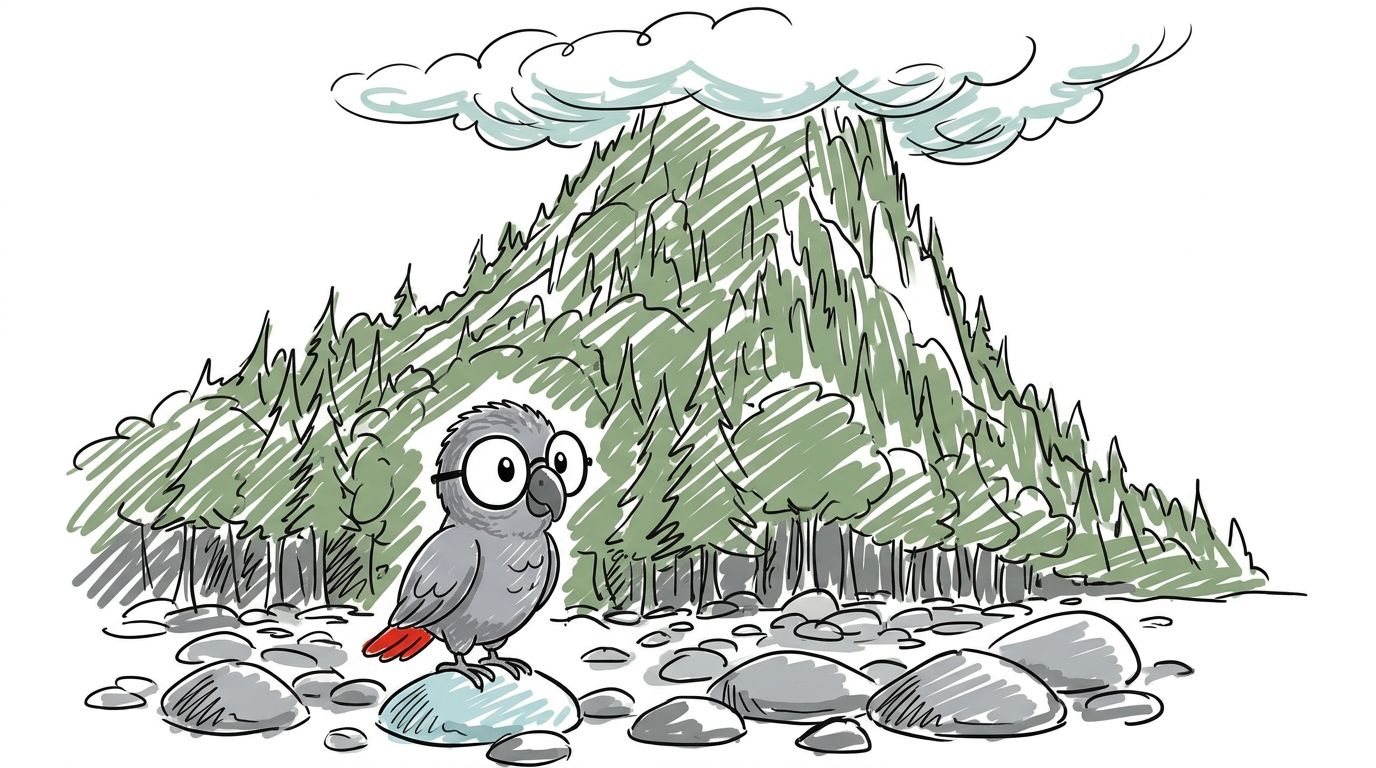
He was not the first to notice. Back in nineteen sixteen a priest in Barahona had found the same blue stones along the same river and had written asking for permission to dig for them. Permission was refused. Nobody in the country recognised the mineral, the letter was filed away, and the mountain kept the rest of its secret for another fifty eight years. Polly turns the pebble over with one foot and looks up at the green ridge above her.
以上がストーリーです。
Pollyの声を聞きました
あなたの声はどう聞こえるか、気になりませんか?
ストーリーの一行を声に出して読んでみましょう。録音はお使いの端末に残り、アップロードされることはありません。
あなたのAIチューター
今度は声に出してみましょう。Pollyとこのストーリーについて話そう。
PollyはPollyStopの音声チューターです。こうしたストーリーについて、声に出して一緒に話します。
PollyStopを無料で始めよう。
- 毎日新しいレベル別ストーリーを、音声付きで。
- 出会った単語を保存して、あとで練習できます。
- フィードバック付きのスピーキング練習。
- 音声チューターのPollyは、より多くの学習者に広がっています。
PollyStopで学び続けよう
聞く、単語を保存、練習する