Climbing the Driest Place

Zanim zaczniesz czytać
Zanim zaczniesz czytać
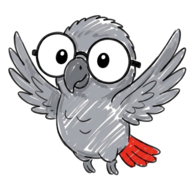
Polly came in from the Pacific coast at Antofagasta, climbed steadily for an hour through dry coastal hills, and crossed into the Atacama Desert.

There is no good description of the Atacama for someone who has not been there. It is the driest non-polar desert on Earth. Some weather stations in its core have never recorded a single drop of rain. Other stations have records reaching back four hundred years with rainfall measured in millimetres total, not per year. The desert is, by some definitions, one hundred and fifty million years old. That is older than the Andes themselves. Older than flowering plants. The atmosphere above it is so dry, so still, and so free of light pollution that more than half of the world's professional ground-based astronomy happens within four hundred kilometres of here.

Polly climbed. The ground below her was the colour of cinnamon and rust. Salt flats appeared in the distance, blinding white. Volcanoes rose in the haze of the Andes to the east. The road, where it existed, was a thin black ribbon between empty hills.

Her destination was Cerro Paranal, a mountain about two thousand six hundred metres above sea level, capped by four enormous white domes. The European Southern Observatory had built the Very Large Telescope here in 1998. The four domes housed the four primary mirrors of the VLT, each eight point two metres across.

Polly came in low over the access road. A small minibus was climbing toward the summit complex, full of incoming astronomers and engineers starting their week-long observation runs. She followed the bus to the residencia, the low circular underground hotel where Paranal staff sleep.

The residencia, viewed from above, was buried in the side of the mountain. Only a small swimming pool, a circular reception, and the entry road were visible from the air. The pool had a glass roof. It existed because astronomers were not allowed outside during the day. The desert is hostile to skin. The pool was the way to be near water for one hour a day.

Polly landed on the rim of the pool dome. A man in a long-sleeved sun shirt and dark glasses was climbing out of the pool. He noticed her, paused, and laughed quietly. "Are you with the cosmochemistry group?" he asked in Spanish-accented English. Polly tilted her red head. He shook his head, still smiling, and walked into the residencia.

The sun was high. The shadow Polly cast on the white concrete was sharp enough to cut. The air was thin. She could feel it in her lungs.

She perched in the shade of an overhang. From here, the four white domes of the VLT were visible on the summit above, closed against the day. They would open one by one after sunset. By that time, Polly intended to be on the catwalk of UT1, the unit telescope named Antu, which means "the Sun" in Mapudungun, the language of the Mapuche people of southern Chile.

The other three telescopes were Kueyen (the Moon), Melipal (the Southern Cross), and Yepun (Venus, the evening star).

She waited for night.
To cała historia.
Właśnie usłyszałeś Polly
Chcesz usłyszeć, jak brzmisz TY?
Przeczytaj na głos jeden wiersz historii. Nagranie zostaje na Twoim urządzeniu i nigdy nie jest wysyłane.
Nieźle, prawda? W aplikacji PollyStop Polly słucha właśnie tego i od razu Cię ocenia.
Wsparcie, zapisane słowa, powtórki w odstępach i nowa historia każdego dnia.
Pobierz PollyStop za darmoTwój nauczyciel AI
Teraz powiedz to na głos. Porozmawiaj z Polly o tej historii.
Polly to głosowa nauczycielka w PollyStop. Rozmawia z Tobą na głos o takich historiach jak ta.
Pobierz PollyStop za darmo.
- Nowa historia dopasowana do poziomu każdego dnia, z nagraniem.
- Zapisuj poznane słowa i ćwicz je później.
- Ćwiczenia mówienia z informacją zwrotną.
- Polly, głosowa nauczycielka, otwiera się dla coraz większej liczby uczących się.
Kontynuuj na poziomie: C1
Kolejne historie
Przeczytaj tę historię w innym języku.
Ta sama historia, inny język. Porównaj budowę i rytm, nie gubiąc wątku.
Ucz się dalej w PollyStop
Słuchaj, zapisuj słowa, ćwicz